Home Safety
Once our children start walking, suddenly everything becomes a little adventure—from shelves and drawers to tabletops and tiny corners just waiting to be explored!
We know life can be busy and things can feel a bit pressured, but taking a little time to childproof your home can prevent accidents before they happen. Have a look at our handy tips to help keep our children safe as they explore, and if you have any tips of your own, we’d love for you to share them. Let's all work together to keep our children safe!
Featured Resource for Families: As part of our ongoing commitment to child safety, we are pleased to share the latest comprehensive Parents' Pack from the Child Accident Prevention Trust (CAPT). It is packed with practical, easy-to-read safety steps and vital first-aid tips for the home.
👉 Click here to explore the full CAPT safety pack and resources directly!
Read more tips for childproofing your home and keeping our children safe around the house here:
Road Safety
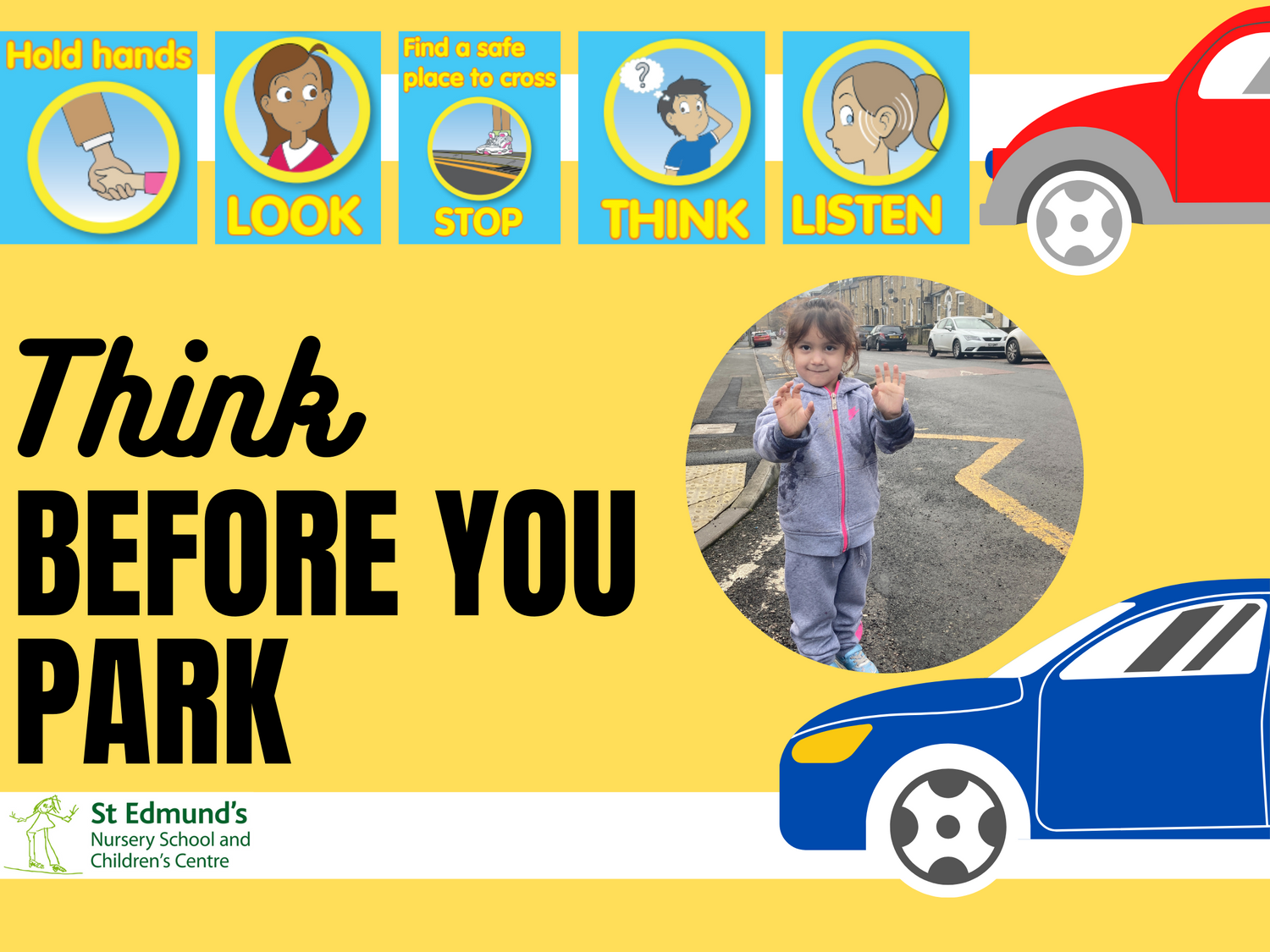
By setting a good example, we play a key role in keeping our children safe and helping them develop road and traffic awareness. It’s really important for us to be aware and understand the serious risks, because even small steps can prevent accidents before they happen.
Featured Resource for Families: As part of our ongoing commitment to child safety, the latest Parents' Pack from the Child Accident Prevention Trust (CAPT) includes fantastic, practical tips on holding hands with little ones and helping older children plan safer routes to school.
👉 Click here to explore the full CAPT safety pack and resources directly!
Take a look at these links for practical guidance on teaching our children about road safety and building lifelong safe habits:
Online Safety
Who uses social media? Probably most of us! It’s a great way to stay connected, but we also know that there are people out there who use the internet and social media to try to cause harm including to us, our children, and our families.
Because of this, taking a few simple steps to stay secure while scrolling can make a world of difference. Please click the links below to find specific safety support for the platforms you use most.
While many countries are now moving toward a minimum age of 16 for social media, the UK is currently exploring the best ways to protect our young people through new pilots and guidance. In the meantime, here are a few handy links with further information on how to keep our children safe while they are online:
Featured Resource for Families: While managing screen time and app settings can feel overwhelming, the Child Accident Prevention Trust (CAPT) resource center provides excellent guidance to help families confidently navigate digital safety alongside everyday home awareness.
👉 Click here to explore the full CAPT safety pack and resources directly!
Explore these handy links with further information on how to keep our children safe while they are online:
.png)
The Right Car Seat
If we’re taking our children out on the road, using a car seat isn’t just a legal requirement—it’s the best way to keep them tucked up safe and sound!
The government guidance is that our children must use a car seat until they are 12 years old or 135cm tall, whichever comes first. After that, they’ll be ready to move on to using standard seat belts.
It can sometimes be a bit tricky to know which seat is best as they grow, so we’ve included a helpful link with more information on keeping our children safe in the car:
Featured Resource for Families: Along with picking the right car seat, keeping children safe while traveling is a top priority. The Child Accident Prevention Trust (CAPT) offers wonderful advice to help parents feel confident about safety inside and around vehicles.
👉 Click here to explore the full CAPT safety pack and resources directly!
Explore more detailed information on choosing and installing the right car seat for your child:
(1).png)
Choking Advice
As part of our commitment to the latest safety guidance, we’re sharing some really helpful tips on early years choking hazards. While we always keep a very close eye and ear on our children during mealtimes here at the setting, we want to share that same life-saving knowledge with you for mealtimes at home!
We’d love for all our parents to take a quick moment to look at the "Safer Eating" standards from the DfE and NHS. These resources have great visual guides on how to prepare high-risk foods (like grapes and sausages) and how to spot "silent" choking. Just a few small changes in how we prep food can make a massive difference in keeping our children safe.
Take a look at these simple guides to help you stay calm and prepared:
Featured Resource for Families: Choking is a big worry for parents, but knowing these simple steps can help you handle things safely and confidently. The Child Accident Prevention Trust (CAPT) features clear, easy-to-digest advice on preventing choking and strangulation hazards around the home.
👉 Click here to explore the full CAPT safety pack and resources directly!
Find Out More & See the Guides
For clear, visual examples of safe food preparation and what to do in an emergency, please take a look at these official resources. They are great for a quick refresher to help keep our children safe:
-
Official FSA Choking Hazards Poster – A simple, one-page guide showing exactly how to cut high-risk foods safely.
-
CAPT Choking Poster Guide – We know choking is a big worry for parents, but knowing these simple steps can help you handle things safely and confidently.
-
NHS Start for Life: Safe Weaning – Expert advice on the best textures and how to prepare food safely as our children grow and try new things.
-
NHS First Aid: How to Stop a Child Choking – A vital 2-minute read on the physical steps to take if one of our children is choking. It’s a small bit of reading that can make a huge difference in an emergency!